REVIEW · POSITANO
Cesarine: Home Cooking Class & Meal with a Local in Positano
Book on Viator →Bookable on Viator
Making pasta in Positano feels special. This private home cooking class pairs hands-on Italian cooking with the kind of local stories you only get at a real family table. Hosted in the home of Rocco and Carla, you’ll learn seasonal favorites and finish with a shared meal that turns the whole lesson into a proper experience.
I love how practical the instruction is: you’re not just watching. The goal is to learn the tricks behind pasta from scratch, along with Positano-style starters and a classic southern Italian dessert. And I especially like the payoff—after cooking, you sit down for a family-style tasting with local wine and coffee.
One thing to consider: based on feedback, the class level can vary. In at least one case it sounded more like oversight than hands-on teaching, and the home can get extremely hot if there’s no air conditioning—so plan for warm conditions.
In This Review
- Key Points at a Glance
- A Positano Home Kitchen: What Makes This Class Worth Your Time
- Your 3 Hours in Positano: Starters, Fresh Pasta, and Dessert
- Starters: Seasonal Flavors First
- Fresh Pasta From Scratch: The Main Skill
- Southern Italian Dessert: A Sweet Finish
- Family-Style Tasting With Wine and Coffee
- Rocco and Carla’s Teaching Style: Warm Hosts, Real-World Pace
- What You’ll Taste (and Why It’s More Than Just Food)
- Logistics in Positano: Small Group Size and Easy Starting Point
- Price and Value: What You’re Paying For at $207.07 per Person
- Who Should Book This Cooking Class (and Who Might Think Twice)
- You’ll probably love it if you:
- You might think twice if you:
- Should You Book Cesarine in Positano?
- FAQ
- How long is the Cesarine cooking class in Positano?
- Is this a private cooking class?
- What dishes will I learn to make?
- What do I get to eat and drink during the class?
- Where does the experience start and end?
- How far in advance should I book?
- What is the cancellation policy?
Key Points at a Glance
- Pasta from scratch in a real home kitchen (not a studio show)
- Seasonal Positano starters plus a classic southern dessert
- Family-style tasting with wine and coffee after you cook
- Small group size, up to 10 people, so it stays personal
- Hosts Rocco and Carla are repeatedly praised for warmth and teaching
A Positano Home Kitchen: What Makes This Class Worth Your Time
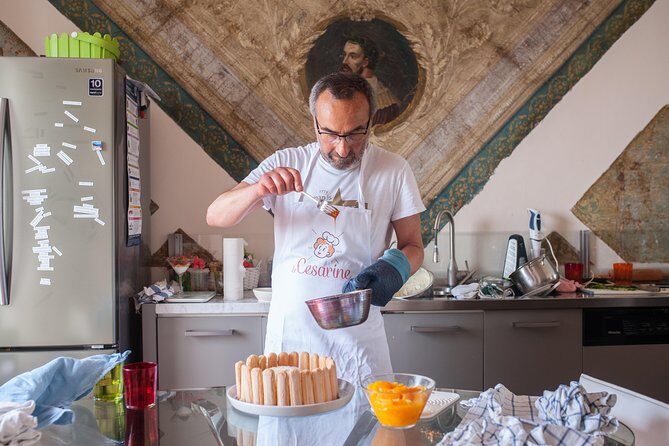
Positano is famous for views. This experience is famous for something else: food made with care, in a lived-in setting. You’re stepping into a local home cooking rhythm—where ingredients are treated like the main event, and recipes come with context instead of being just “instructions.”
What really matters for me is that the teaching connects the technique to the dish. Making pasta from scratch isn’t simply a skill demo. It’s a way to understand texture, timing, and how southern Italian comfort food works when it’s done properly. You’re also learning more than one course, so the meal you end up eating actually feels like your work, not just a snack at the end.
And the home setting adds another layer. You’ll get the human side of the Amalfi Coast—family-style sharing, natural conversation, and the sense that this is how meals happen when guests are few and appetite is big.
Other cooking classes in Positano

Your 3 Hours in Positano: Starters, Fresh Pasta, and Dessert
The class runs about three hours, and the structure is straightforward. You’ll move through a starter course, then fresh pasta, then a classic southern Italian dessert, finishing with a sit-down tasting of what you prepared.
Starters: Seasonal Flavors First
You start with seasonal starters, which is a big deal in a place like Positano. Seasonal cooking tends to mean ingredients are simpler and more flavorful, and that’s where you’ll learn the “why” behind common techniques. Even if you’re not a hardcore cook, you can usually pick up the logic quickly: how to build flavor without overcomplicating it.
The practical takeaway here is that starters teach you the fundamentals you’ll use later. If you learn how taste develops early in a meal, your pasta and dessert won’t feel isolated—they’ll feel like part of the same cooking style.
Fresh Pasta From Scratch: The Main Skill
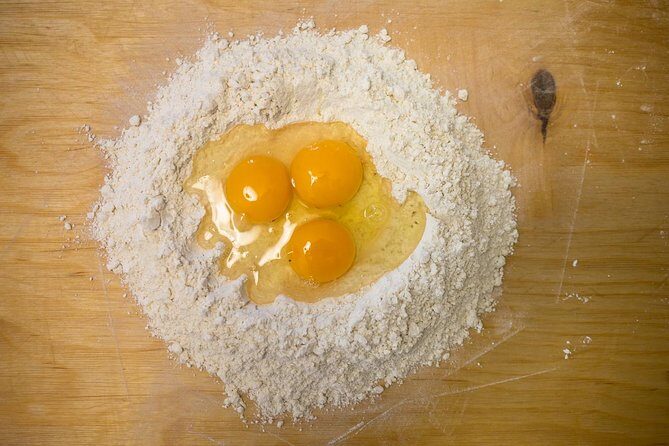
Next comes the fresh pasta portion. This is the highlight on paper and in real life for most people—because pasta from scratch forces you to work with the dough, not just follow a recipe.
In a hands-on setup, you should expect guidance on forming and working the dough, plus how to handle the process so it actually becomes pasta instead of a kitchen experiment. The best part is that when you finally taste it, it’s tied to what your hands did. That’s when the class stops feeling like a lesson and starts feeling like dinner.
Southern Italian Dessert: A Sweet Finish
You’ll also make a classic southern Italian dessert. Dessert is where many cooking classes fall flat (too rushed, too generic). Here, it’s part of the planned sequence, meaning you learn a final dish you can confidently bring to the table later.
Dessert also helps the whole meal feel complete. You’ll have starters, pasta, and something sweet—all in one flow—so you leave with the full “this is what people actually make” picture.
Other cooking classes in Positano

Family-Style Tasting With Wine and Coffee
After you cook, you share the meal family-style. You’ll have a glass of local wine, and the tasting includes wine and coffee. This is more than a perk. It’s the moment when the kitchen time clicks into a real shared experience—like you’re joining the family table instead of timing your way through a class.
Rocco and Carla’s Teaching Style: Warm Hosts, Real-World Pace
The experience is hosted by local home cooks, and the names that come up are Rocco and Carla. In the strongly positive feedback, they’re described as friendly, excellent teachers, and warm and gracious. That matters because home cooking classes work best when the host makes the kitchen feel safe enough for you to ask questions and make small mistakes.
At the same time, one lower rating points out a difference you should keep in mind: for some people it may feel more like oversight than a deeply hands-on teaching session. That doesn’t mean it’s “bad,” but it does mean you should calibrate your expectations. If you want step-by-step coaching the entire time, ask yourself what hands-on means for you. The class is described as hands-on, but real kitchens have real pacing.
What You’ll Taste (and Why It’s More Than Just Food)
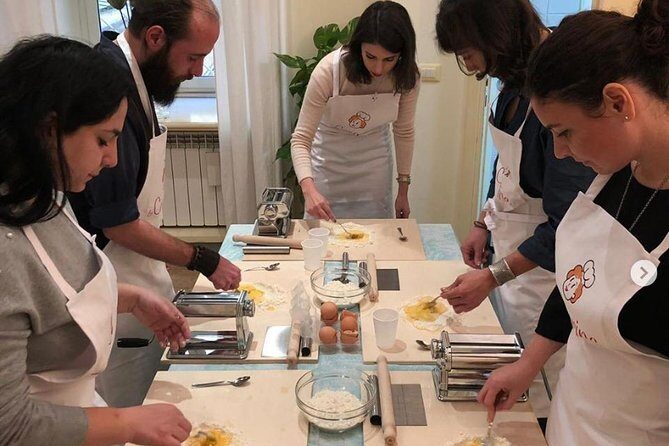
This isn’t a cooking class that sends you home with a tasting plate and a loose recipe card. You cook multiple courses, then you eat them.
That full meal setup changes the value in three ways:
- You taste the results while the lessons are still fresh in your mind.
- You get a sense of how southern Italian food moves from savory to sweet.
- You experience local hospitality as part of the course, not separate from it.
The wine and coffee fit the rhythm too. Local wine makes sense for the area and pairing, and coffee rounds out the meal the way many Italians do—especially after dessert.
One small caution: if you’re sensitive to heat, plan ahead. One piece of feedback specifically flagged extreme heat and noted that the home needed air conditioning. The good news is you can still enjoy the cooking. The practical move is to dress for warmth and bring a plan for comfort.
Logistics in Positano: Small Group Size and Easy Starting Point
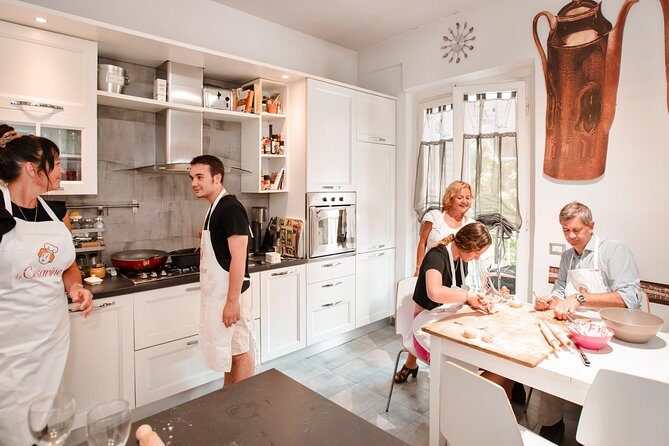
This activity caps at 10 travelers, which helps keep the class from turning into a crowd experience. In a small group, your host has a chance to check in, and you’re more likely to get real interaction rather than feeling like you’re standing at the edge.
It starts and ends at the same meeting point in Positano. That’s convenient because you’re not spending the entire class switching locations around town. Also, it’s described as near public transportation, which is helpful if you’re relying on buses or train connections along the Amalfi Coast.
You’ll also use a mobile ticket. That means less paper and less hassle at check-in.
Price and Value: What You’re Paying For at $207.07 per Person
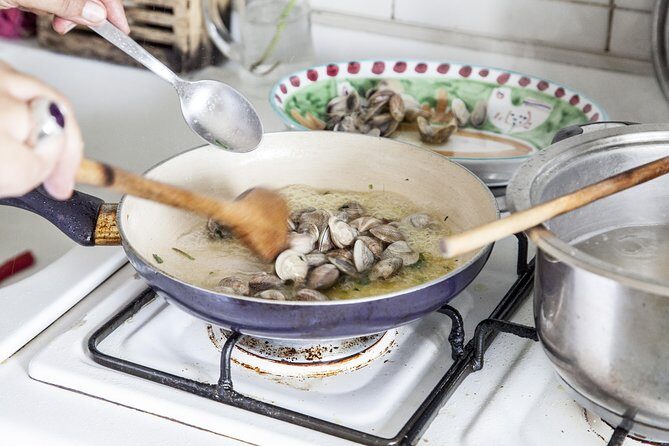
At $207.07 per person, this isn’t a cheap “activity.” So let’s talk value, the honest way.
You’re paying for:
- A private home cooking class with a local host (not a public demonstration)
- Real time spent making multiple dishes (starters, pasta, dessert)
- A full family-style tasting with wine and coffee
- A small group size (maximum 10), which supports a more personal experience
If you compare this to a typical cooking class where you might only make one dish and then eat something pre-made, this has more built-in meal value. You also get the cultural value of learning in a family-home environment, where recipes are tied to everyday living and local tastes.
It’s still a splurge, though. If you’re on a tight budget, you might choose a lighter food experience. But if you love cooking, want a real meal out of the experience, or want a break from beach-and-photos mode, the price starts to make sense.
Also note timing: it’s booked about 19 days in advance on average. If you’re traveling in a busy season, you’ll want to reserve earlier rather than later.
Who Should Book This Cooking Class (and Who Might Think Twice)
You’ll probably love it if you:
- Want hands-on Italian cooking, especially fresh pasta
- Prefer small groups and real home-style interaction
- Like eating what you make, family-style, with wine and coffee
- Are visiting Positano for more than scenic walking and want a food-based memory
You might think twice if you:
- Heat is a major comfort issue for you (one feedback mentions the home was extremely hot)
- Expect very constant, minute-by-minute coaching (one feedback suggests it can feel more like oversight)
If you’re flexible and curious, you’ll likely adapt fast. Italians cook with real pacing, and a home kitchen won’t run like a perfectly air-conditioned classroom.
Should You Book Cesarine in Positano?
I’d book it if you want a genuine “learn + eat + connect” experience in Positano. The strongest signal is simple: Rocco and Carla are repeatedly praised for being warm, friendly, and good teachers, and the lesson clearly ends in a proper family-style meal with wine and coffee.
Just go in with two expectations aligned to the feedback: plan for possible heat, and understand that hands-on teaching may vary by group and day. If you can handle that, you’re set up for a memorable evening that goes beyond a standard food tour.
If you want, tell me your travel dates and group size and I’ll suggest what to pair it with in Positano (timing-wise) so you don’t end up scheduling it into the hottest part of your day.
FAQ
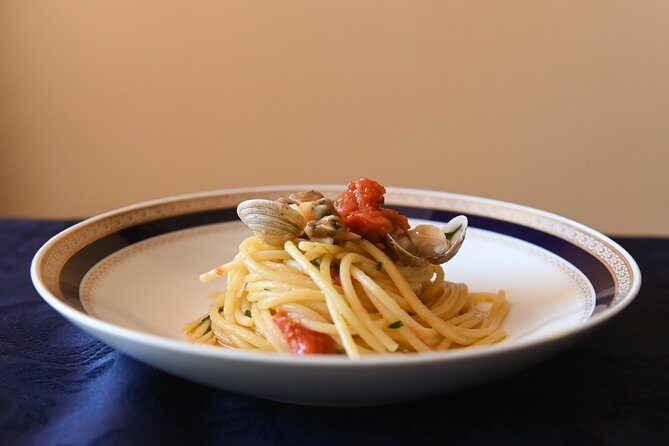
How long is the Cesarine cooking class in Positano?
The class runs for about 3 hours.
Is this a private cooking class?
It’s described as a private hands-on class hosted by a local home cook, and it has a maximum group size of 10 travelers.
What dishes will I learn to make?
You’ll learn seasonal starters, fresh pasta from scratch, and a classic southern Italian dessert.
What do I get to eat and drink during the class?
After cooking, you’ll taste what you made with wine and coffee, and the meal is accompanied by a glass of local wine.
Where does the experience start and end?
It starts at Positano in the Amalfi Coast area (Province of Salerno, Campania) and ends back at the meeting point.
How far in advance should I book?
On average, it’s booked about 19 days in advance.
What is the cancellation policy?
You can cancel for a full refund up to 24 hours before the experience starts. Cancellation within 24 hours of the start time is not refunded.