REVIEW · POSITANO
Positano: Pasta & Tiramisu Cooking Class at a Local’s Home
Book on GetYourGuide →Operated by Cesarine · Bookable on GetYourGuide
Make pasta at a local home in Positano. I like the hands-on sfoglia rolling and the small-group feel that turns cooking into conversation, not a demo. You start with an Aperitivo to get things moving, then you actually eat what you make. One drawback: because it’s in a private home, you get the exact address only after you book, so you’ll want to plan transport in advance.
I also like that this is run through Cesarine, a home-cook network with hosts in hundreds of Italian cities. In the Positano area, you’ll cook about 3–6 km from town, with an Italian-English instructor and a hard limit of 10 people, so you’re not stuck watching from the sidelines.
In This Review
- Key points to know before you go
- Cesarine in Positano: why this feels like Italy, not a show
- Your 3-hour flow: aperitivo, pasta, and tiramisu in one sitting
- Rolling sfoglia by hand: the skill you’ll remember
- Making two iconic pasta types from scratch
- Tiramisu that you can actually repeat at home
- What’s included: tasting, drinks, and the point of eating together
- Price and value near Positano: what you’re really paying for
- Location and logistics: the private-address twist (and how to handle it)
- Who this is best for (and who should skip it)
- Should you book this Positano pasta and tiramisu class?
- FAQ
- How long is the cooking class in Positano?
- How big is the group?
- What do we cook during the class?
- Do I get to eat and drink what I make?
- Where does the class take place?
- What languages are used by the instructor?
- How do they match you with the host cook?
- Is this class wheelchair accessible?
Key points to know before you go
- Fresh pasta by hand: you’ll roll sfoglia yourself, not just watch someone else do it
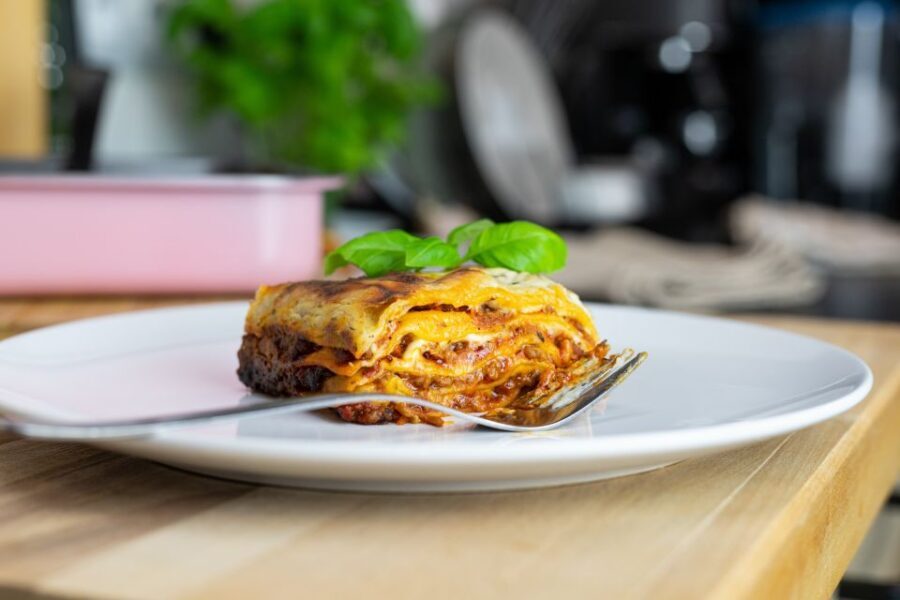
- Two iconic pasta types: you’ll learn two shapes/styles from scratch during the class
- Real tiramisu making: you’ll go beyond tasting and actually assemble the dessert
- Aperitivo warm-up: prosecco and nibbles get you started before the cooking begins
- Eat-and-drink included: you’ll taste your pasta and tiramisu with local wine or prosecco
Cesarine in Positano: why this feels like Italy, not a show
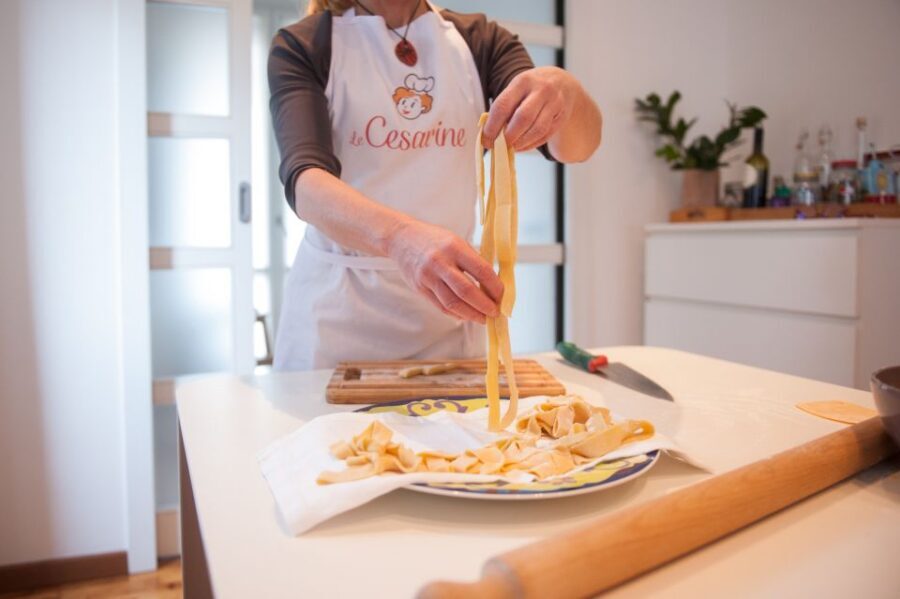
This is the kind of experience that makes you slow down. Instead of sprinting between viewpoints, you spend a few hours in someone’s kitchen, at their pace, with their recipes on the table.
The key player here is Cesarine, an established network of local home cooks. The whole idea is simple: you cook regional favorites drawn from family-style recipes, in a real home setting, with a host who explains what matters and why. That matters in Italy, where food is rarely about one secret technique and usually about timing, texture, and using ingredients that taste like themselves.
In practical terms, you’re in a group limited to 10, with an Italian-English instructor. That smaller size is what makes it easier to ask questions while your hands are covered in flour.
You’re also not doing this in the center of Positano itself. The class is held a short ride away (3–6 km), which can be a good thing: you get away from the busiest foot-traffic zone and into an area where locals actually live and cook.
Other cooking classes in Positano

Your 3-hour flow: aperitivo, pasta, and tiramisu in one sitting
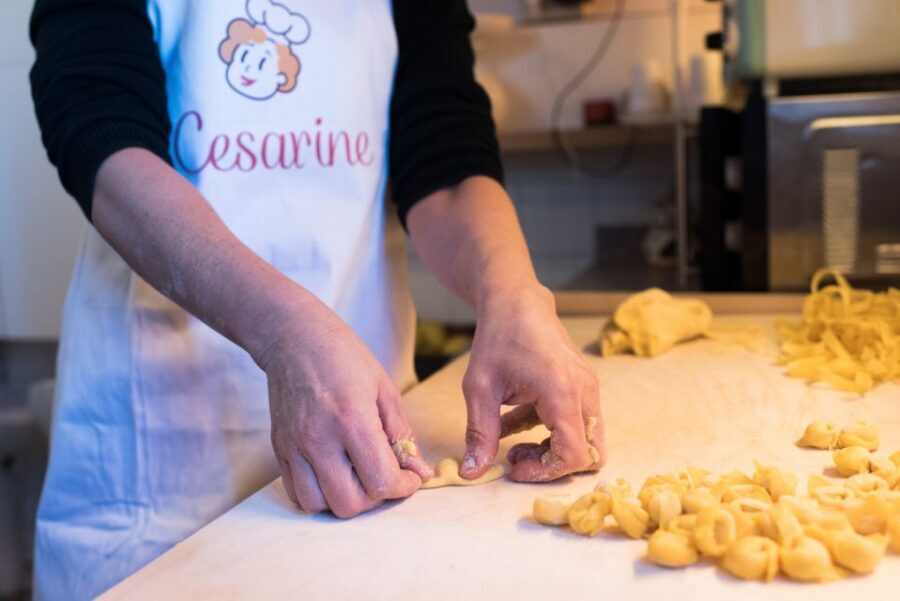
The rhythm of the class is built for comfort. You’re not thrown into chaos the second you arrive.
You’ll start with an Italian aperitivo—prosecco and nibbles—to warm up. Then you jump into the core of the afternoon: fresh pasta first, and tiramisu as the dessert finish line. The class is 3 hours total, and it ends back at the meeting point.
Here’s what that usually feels like in real time:
- Warm start: aperitivo, drinks, and a quick intro to what you’ll make
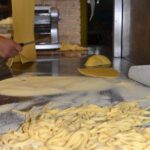
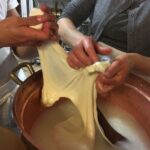
- Hands-on sfoglia: learning to roll fresh pasta dough by hand
- Two pasta recipes: creating two iconic pasta dishes from scratch
- Tiramisu assembly: making the dessert you’ll later taste with the group
- Tasting: eating what you made, with local wine or prosecco
That order is smart. Pasta dough skills come first while you’re fresh. Dessert comes later when you’ve built a little confidence, and you’re ready for the best part: eating.
Rolling sfoglia by hand: the skill you’ll remember
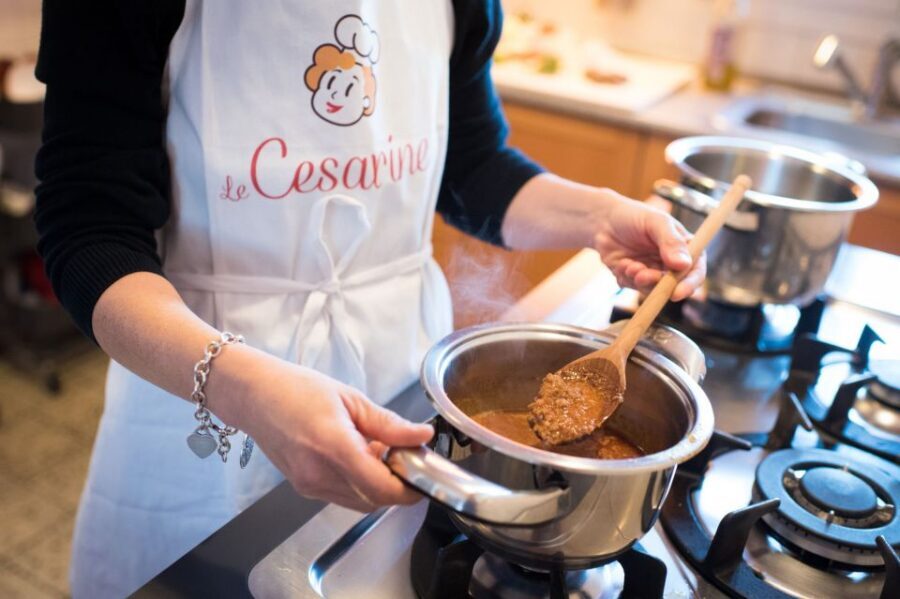
The headline skill is rolling sfoglia by hand. This is not just for show. When you learn to roll dough properly—enough pressure, correct thickness, and keeping the shape even—you get a feel for why Italian pasta tastes different from dried imports.
What you learn is practical. You’ll understand how to handle fresh dough so it doesn’t fight back, how to work without tearing, and how to get that right thickness that cooks up tender instead of chewy.
This is also where the class becomes personal. With a small group, you’re more likely to get hands-on feedback. A couple of hosts stand out in how they teach: names like Carla and Rocco show up alongside feedback about hands-on guidance and a home-family vibe, while Antonio appears with comments about clear instruction and relaxing, welcoming pacing.
If you’ve never made pasta before, don’t worry. Fresh pasta is forgiving at first. The learning curve is real, but it’s part of the fun.
Making two iconic pasta types from scratch
The course includes 2 pasta types, and you’ll work from scratch. That means dough, shaping, and cooking steps tied to each recipe—not just a single dish repeated twice.
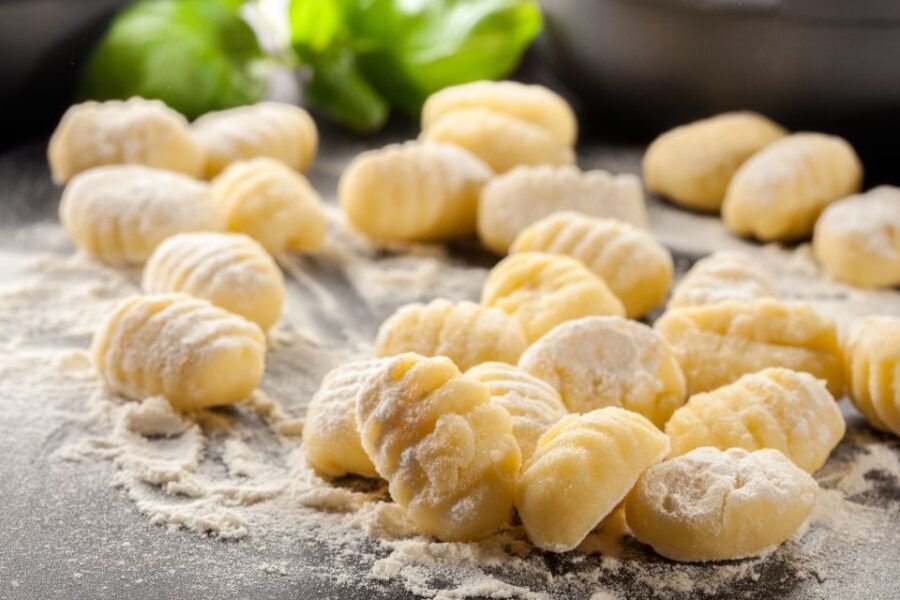
You might make familiar classics that fit the region and the season. Some past sessions have included things like gnocchi with bolognese sauce, mentioned as a highlight by one of the hosts’ diners. Other hosts have taught different pasta combinations, but the constant is that you’re practicing real steps rather than copying a finished plate.
Here’s what makes “two pasta types” valuable:
- You compare shapes and textures, so you learn what changes when you change the method
- You get more technique in one afternoon (rolling, shaping, and handling different cooking needs)
- You leave with more than one idea for cooking at home
A small caution: in at least one case, a diner felt the session produced only one pasta rather than two. That’s unusual for what’s described, but it’s a reminder to go in expecting a learning flow that depends on the class pace and the host’s plan.
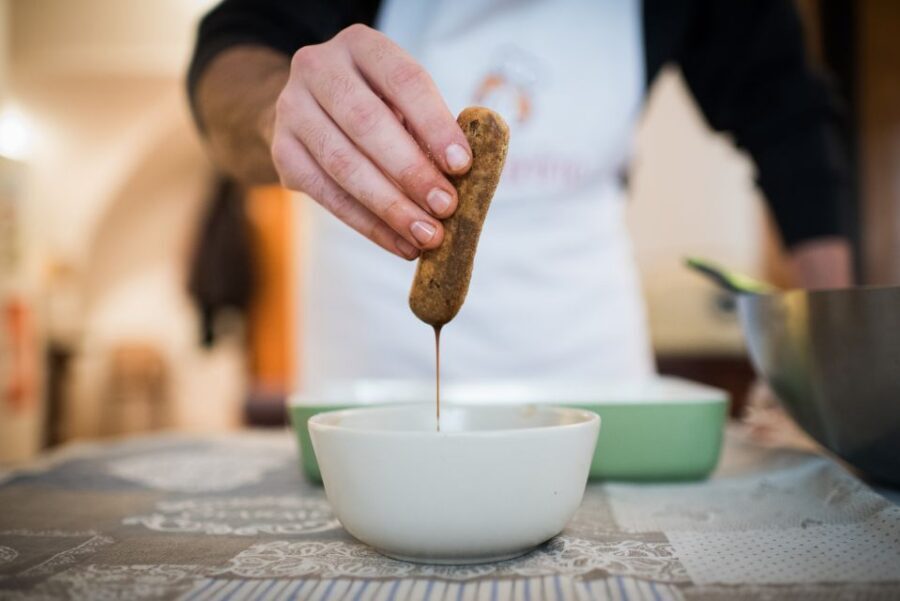
Tiramisu that you can actually repeat at home
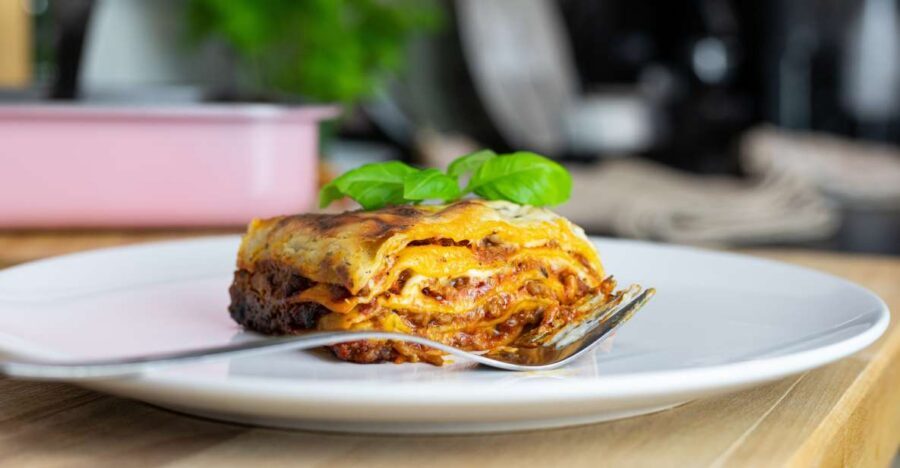
Tiramisu is the dessert everyone loves, but most people make a mess of the one part that matters: the balance. Is it too soggy? Too dry? Does it taste like coffee and cream, or like sugar and disappointment?
In this class, you make tiramisu as part of the 3-hour experience. That means you practice the assembly steps while you’re there, not just taste a slice and move on. It’s one of the best “I can do this later” outcomes because tiramisu doesn’t require specialty equipment. What it needs is technique and timing, which a good host will guide you through.
You’ll also get to taste your final result with the group, which helps you calibrate what perfect looks and tastes like. If a host like Andriana is involved (she shows up in feedback related to wine and conversation), you’ll likely get extra pairing pointers that make dessert feel less like an afterthought.
Other pasta-making classes in Positano

What’s included: tasting, drinks, and the point of eating together
You don’t just cook. You eat. That’s important, because the class is about learning how the flavors fit together.
Included are:
- beverages like water, wines, and coffee
- Italian aperitivo with prosecco and nibbles
- local taxes
- your pasta and tiramisu (plus tasting of what you cooked)
At the tasting stage, you’ll enjoy your pasta and dessert along with local wine or a glass of prosecco. This is where the class turns from skill-building into a meal, and it’s also where you’ll understand what you did right.
In many home cooking settings, you learn more from the eating than the instructions. Fresh pasta is subtle when it’s raw, and obvious when it hits the plate: how it clings to sauce, the bite, and the smell. Dessert is the same—coffee, cream, sweetness, and texture need to harmonize.
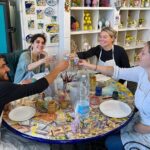
Also, the social element isn’t forced. With up to 10 people, you have space to talk without feeling like you’re crammed at a big communal table.
Price and value near Positano: what you’re really paying for
At $243.56 per person for 3 hours, this isn’t a budget activity. But it also isn’t just a tasting with a fancy backdrop.
You’re paying for:
- a small-group class capped at 10
- instructor-led guidance (Italian and English)
- ingredients and preparation for two pasta types plus tiramisu
- drinks: prosecco, wine options, water, and coffee
- aperitivo nibbles
- tasting of what you cooked
In other words, you’re buying a full, hands-on meal experience plus a skill you’ll keep. In a place like Positano—where food experiences often get priced up for views—this has a stronger value angle because you’re participating. You leave with more than photos.
If you’re choosing between a cooking class and another food tour, I’d lean cooking if you want a tangible memory. If you only want to eat, then you might compare with less hands-on options. But if you want to learn how to do it, this is one of the best ways to translate Italian flavor into a skill.
Location and logistics: the private-address twist (and how to handle it)
This class happens in a local’s home about 3–6 km from Positano. For privacy, you only get the full address after you book.
That’s the main logistical wrinkle. It changes how you plan your day. You should:
- check what time you’re assigned (starting times vary)
- plan your ride so you’re not stressed when you only have a few minutes to arrive
- confirm directions once you receive the address by email
In at least one experience, the location worked out as a short bus ride away, so public transport might be possible depending on where you’re staying. Still, don’t assume. Positano hills and stops can make “a quick ride” less quick than it sounds.
Also, note that the activity ends back at the meeting point. So think about where you’ll continue your evening after the class.
One more practical note: it’s not suitable for wheelchair users. If mobility is an issue for you, this matters.
Who this is best for (and who should skip it)
This class is a strong match if you:
- want a hands-on food experience instead of just sampling
- care about learning technique, especially rolling sfoglia by hand
- enjoy small-group meals with local hosts
- want an activity that feels more personal than a classroom
It can also work well for couples and friend groups who want a shared project and a proper dinner-style finish.
You might consider skipping it if you:
- hate hands-on cooking or find food prep stressful
- need full accessibility support (it’s not designed for wheelchair users)
- want a flexible schedule with lots of downtime built in
Should you book this Positano pasta and tiramisu class?
If you like real learning, good conversation, and leaving with skills you can repeat, I’d book it. The value isn’t just the pasta and tiramisu—it’s the small-group setting, the private home environment, and the fact that you’re not watching. You’re making, eating, and tasting right there.
The only serious reason not to is logistics stress: since the exact address is private and you’re cooking in a home outside the center, you need to plan transport. If you can handle that, this is a memorable, very Italian way to spend a few hours beyond the usual sightseeing routine.
FAQ
How long is the cooking class in Positano?
The class lasts about 3 hours.
How big is the group?
It’s a small group limited to 10 participants.
What do we cook during the class?
You’ll learn to roll fresh pasta dough (sfoglia) by hand, make 2 iconic pasta types from scratch, and make the iconic tiramisu.
Do I get to eat and drink what I make?
Yes. You’ll taste the pasta recipes and tiramisu you prepared, and you’ll have beverages including water, wines, and coffee. You’ll also enjoy an Italian aperitivo with prosecco and nibbles.
Where does the class take place?
It takes place in a local home about 3–6 km from Positano. For privacy, the full address is shared only after you book.
What languages are used by the instructor?
The instructor speaks Italian and English.
How do they match you with the host cook?
After booking, you provide details like food intolerance/allergies, your Positano neighborhood, and how you plan to travel to the host’s home. The team uses that to match you with an ideal Cesarine host.
Is this class wheelchair accessible?
No, it is not suitable for wheelchair users.