REVIEW · POSITANO
Amalfi: pasta fresca, mozzarella e tiramisù
Book on Viator →Operated by Cooking lesson · Bookable on Viator
Fresh mozzarella tastes better with your hands. This private cooking class on the Amalfi Coast turns a panoramic farmhouse visit into real food skills, with mozzarella and tiramisu front and center. I love how hands-on the work is, and I also like that you sit down to enjoy lunch right after cooking, with locally produced house wines.
One possible drawback: the location in Pianillo isn’t a quick hop from Positano or Amalfi. If you’re relying on public transport (or you hate winding roads), plan extra time to get to Via Radicosa, 42.
In This Review
- Key takeaways before you go
- Entering a Panoramic Pianillo Farm: What This Cooking Class Really Feels Like
- What You Cook in 3 Hours: Tiramisù, Mozzarella, and Fresh Pasta
- Tiramisu Basics That Actually Work (Layering Without Guesswork)
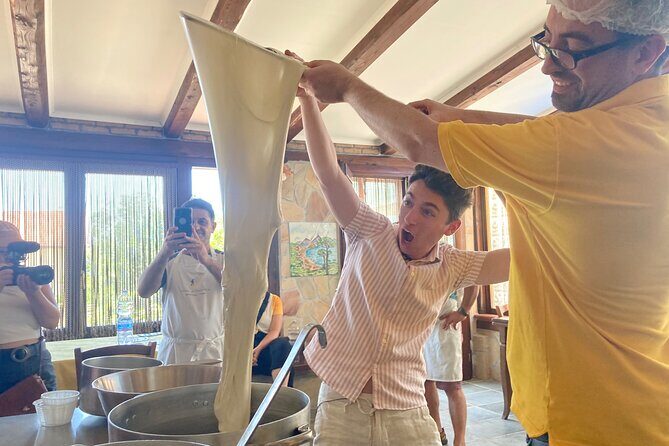
- The Mozzarella Lesson: Traditional Milk, Hands-On Shaping
- Pasta Making in the Real World: Kneading, Tagliatelle, and Portion Control
- Lunch With Local Wine: Eating What You Made
- Price and Logistics: Getting to Via Radicosa, 42 Without Drama
- Who Should Book This Amalfi Coast Pasta Experience
- Should You Book It: My Quick Decision Checklist
- FAQ
- How long is the cooking class?
- Where do I meet for the class?
- What dishes will I learn to make?
- Is lunch included, and is wine included?
- Is the class offered in English?
- Is it a private class?
- How big is the group?
- What ticket format do they use?
- What’s the cancellation policy?
Key takeaways before you go
- Private, family-run feel with hands-on teaching from the crew, including Valentino and Giuseppe
- Three core lessons: tiramisù, fresh mozzarella, and fresh pasta dough work
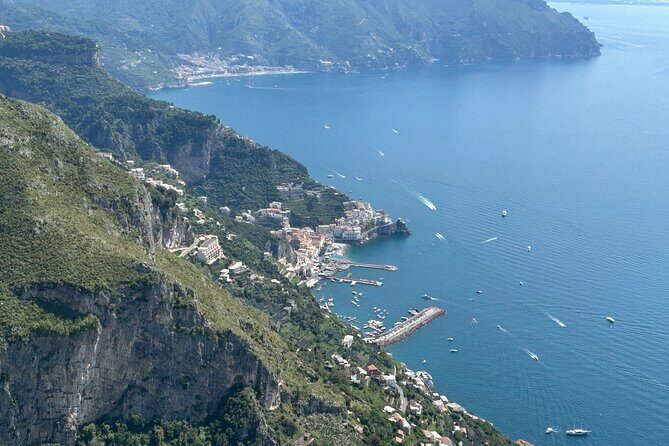
- Panoramic breaks with a short walk to views over the coast and toward Furore
- Lunch you actually made, paired with locally produced house wines
- Up to 40 people max for the overall activity, so it stays manageable
Entering a Panoramic Pianillo Farm: What This Cooking Class Really Feels Like
This is the kind of Amalfi experience that makes sense even if you’re not a “foodie.” You’re not just tasting. You’re learning the steps that get you to real Italian comfort food—then eating it at the same place, in the same calm, family atmosphere.
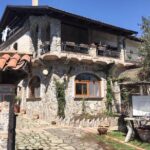
The setting helps. The class is run in Pianillo, in a panoramic farmhouse location on the Amalfi Coast. You cook with the sea views working in the background, and at least some of your time includes a short walk to look out over the coast. That means you get a break from the kneading-and-stirring rhythm without turning the day into a sightseeing marathon.
I also like the “private” framing. The class is presented as private, which usually translates into more attention when you hit a question like, How do I know the dough is right? In practice, the teaching style is friendly and direct, and it’s common to see the family involved—Valentino as host, with Giuseppe teaching the main parts, and Giovanni (plus an uncle in the mix) helping move things along.
The vibe is not stiff or showy. You’ll get your hands involved, and that’s the point. You’re there to learn how to make mozzarella and fresh pasta with real technique, not to watch someone else do it while you hold a fork.
Other tours of Amalfi town we've reviewed

What You Cook in 3 Hours: Tiramisù, Mozzarella, and Fresh Pasta
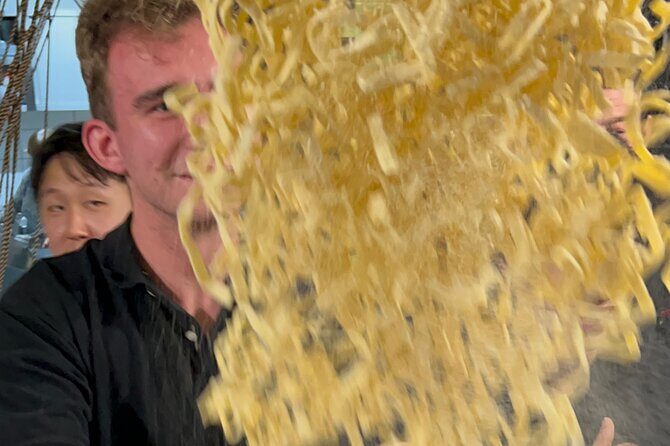
The class runs about 3 hours, and it’s built around three dishes you can picture instantly: tiramisù, mozzarella, and fresh pasta. You’ll also get a starter of seasonal vegetables and a main lunch featuring fresh pasta with tomato and mozzarella.
Here’s how the time tends to flow:
- Tiramisù first: you’ll learn how to layer the ingredients properly so it sets with the right texture and balance.
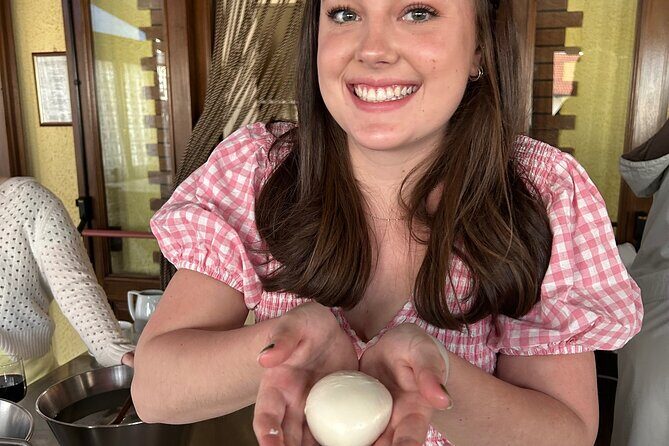
- Mozzarella next: you’ll work with fresh milk and traditional methods for shaping and producing mozzarella.
- Fresh pasta to finish: you’ll knead dough and make fresh pasta from scratch, with the chef guiding the steps.
The key value is the sequence. Tiramisù teaches you the “don’t rush the layers” mindset. Mozzarella teaches technique and timing with dairy. Pasta teaches your hands. By the time you sit down to eat, you understand why the food tastes the way it does.
And yes, you’re eating what you make. The lunch includes locally produced house wines alongside the meal, so it’s not just a classroom experience with a snack at the end.
One more practical note: the class is offered in English. That matters in cooking lessons, because small technique details can be the difference between good and great. If you’ve ever been stuck translating in your head while watching someone twist pasta dough, you’ll appreciate having the chef’s instructions in your language.
Tiramisu Basics That Actually Work (Layering Without Guesswork)
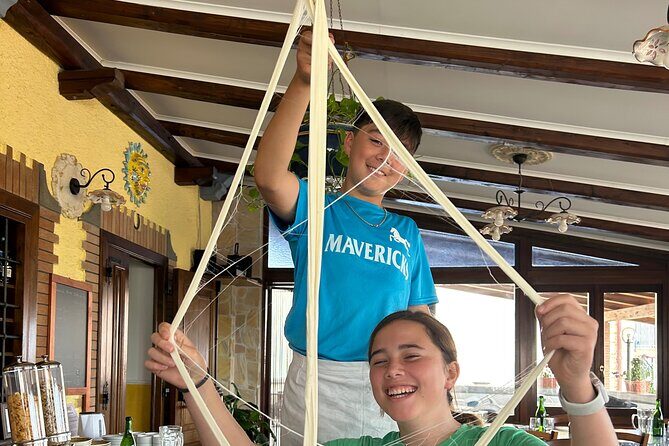
Tiramisù is one of those desserts people love but don’t always understand. It’s easy to think it’s just cream plus cookies plus coffee. This class treats it like a method.
You’ll be guided through how to layer the ingredients so the dessert holds together without turning soupy. That means paying attention to how the layers are built and how each component behaves. You’ll learn the order and the logic—what goes first, what follows, and how to avoid the common mistake of oversaturating.
The benefit isn’t just that you’ll have dessert at the end. You’ll come away with a repeatable process. Even if you never make it again at home, you’ll understand why restaurant tiramisù feels smoother and more balanced than the stuff people make when they rush.
Also, you’re doing this in a teaching environment, not at a restaurant. That gives you permission to slow down. Ask questions. Re-check a step. It’s much easier to learn layering when you’re not trying to impress anyone other than yourself.
If you like the idea of bringing something home that tastes like a real Italian evening, tiramisù is the dish to nail. It’s also the easiest to show your friends later because you can explain the steps in plain language: layer, set, slice.
The Mozzarella Lesson: Traditional Milk, Hands-On Shaping
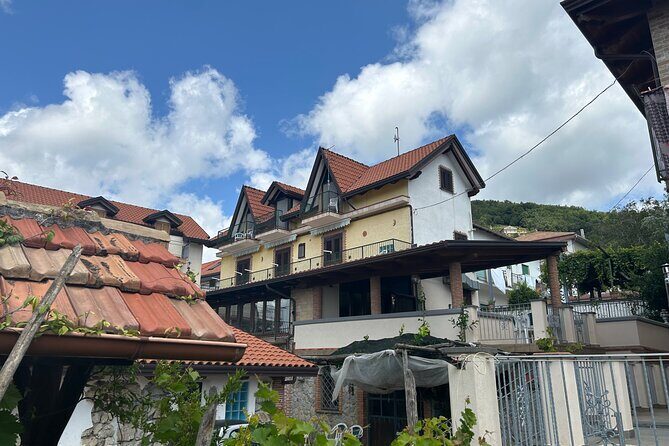
Mozzarella is where this class becomes special. Fresh mozzarella isn’t just a cheese choice; it’s a technique choice. You’ll learn the traditional approach using fresh milk, guided by the chef.
You’ll work with the process firsthand, including shaping the mozzarella into balls. That step is more important than it sounds. It trains you to feel what the doughy stretch should be, how firmness changes, and how to handle the product without wrecking the texture.
The best part here is sensory. You see the ingredients turn into something you recognize as mozzarella, and you understand what makes it “fresh.” This is one of those experiences where you come away with a mental picture of the process, not just a memory of the taste.
Even if you don’t plan to replicate mozzarella at home, you’ll still get value. You’ll learn enough to spot good mozzarella in the future and understand what makes it different from stretchy, low-moisture versions.
And because you’re doing it during a meal day, the payoff is immediate. You make it, then you eat and taste it in a context that feels local and normal, not curated and precious.
Pasta Making in the Real World: Kneading, Tagliatelle, and Portion Control
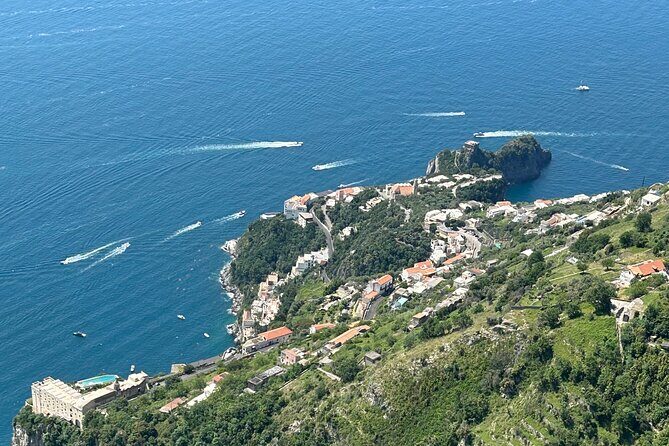
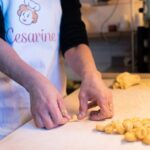
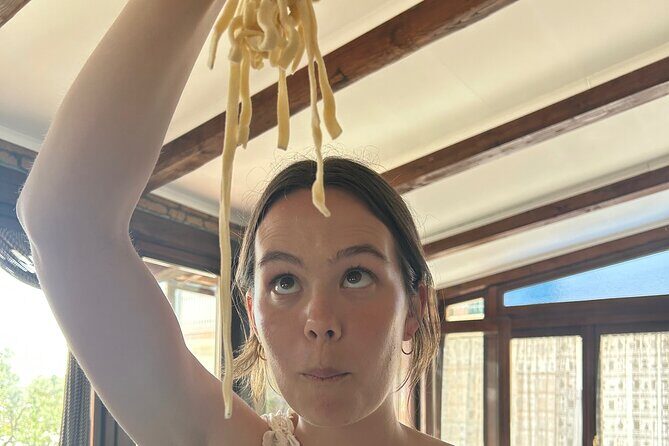
The pasta component is practical and physical. You’ll knead dough and make fresh pasta from scratch with the chef showing you what to do and when.
Fresh pasta might sound simple on paper, but it’s not mindless. Dough texture, kneading time, and handling matter. The class teaches you how to work the dough so you end up with pasta that’s more than just edible. It’s actually good—chewy in the right way, with sauce-friendly structure.
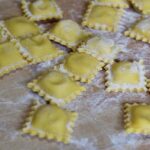
Depending on the session, you may see different pasta shapes discussed and produced. The core of the lesson remains the same: hands-on dough work, rolling, and forming something you can recognize as fresh Italian pasta. In the lunch itself, the main dish is served as fettuccine with fresh tomatoes and mozzarella, plus a starter of seasonal vegetables.
That matters because it connects technique to taste. You knead dough, shape it, cook it (with guidance), then you eat it while it’s still clearly part of the same story.
Practical bonus: you’ll likely leave with a better sense of portion size and timing. Fresh pasta can go from perfect to overdone fast if you treat it like boxed pasta. Learning in a live setting helps you internalize what “just right” looks like.
Other cooking classes in Positano


Lunch With Local Wine: Eating What You Made
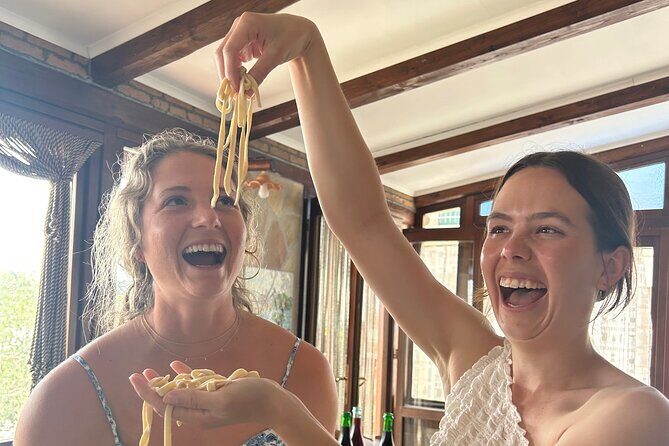
After the kitchen work, the class shifts into the best part: eating. You’ll have lunch that includes what you cooked and local touches, plus locally produced house wines.
This lunch setup gives you two benefits:
- You can taste and judge your own work while it’s still fresh in your mind.
- You experience the food the way it’s meant to be experienced on the Amalfi Coast—simple ingredients, good technique, and a relaxed pace.
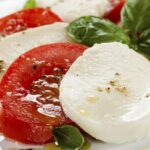
The sample meal includes a starter of fresh seasonal vegetables and a main of fresh pasta with tomatoes and mozzarella. That combination is classic because it doesn’t hide mistakes. If your mozzarella is right, you taste it. If your pasta has the right feel, it shows up in every bite.
Also, the wine is part of the experience, not an afterthought. It’s served with the meal, so you’re not racing from one step to another. You get time to sit, talk, and actually enjoy the results of your work.
One small timing reality: since it’s a 3-hour class, you’ll keep moving. It’s not a slow culinary retreat. That’s good if you want a concentrated experience you can still fit into your day.
Price and Logistics: Getting to Via Radicosa, 42 Without Drama
At $84.11 per person for about 3 hours, the value is all about what’s included: you’re getting a guided cooking lesson, hands-on mozzarella and pasta work, tiramisù instruction, lunch, and locally produced house wine. If you were to price those separately—especially in a tourist-heavy area—the package starts to look fair fast.
But here’s the part you should plan for: the location is in Pianillo, not in the middle of Positano or Amalfi. It’s a drive from the main hubs, and the roads can be twisty, the kind that make you grateful you paid attention during the last hairpin turn.
The meeting point is Via Radicosa, 42, 80051 Pianillo NA, Italy. Some people find the place a bit tricky to locate at first, so I’d treat this like a “get there with buffer time” situation, not a “show up right on the minute” situation.
If you’re using buses, a practical approach is to get to the Agerola area, then walk the short final stretch to the meeting point. You may also find it easier to ask ahead about getting dropped closer if the service is available, because getting to Pianillo can be the only friction point in an otherwise smooth day.
What’s helpful to know in advance:
- The class is offered in English.
- It’s near public transportation.
- The class is described as private, and the overall activity has a maximum of 40 travelers, so you won’t feel swallowed by a massive crowd.
- Mobile ticket is used, so have your phone ready.
Once you arrive, the experience quality rises quickly. The moment you’re in the farmhouse setting and the chef starts teaching, the travel effort turns into part of the story rather than a complaint.
Who Should Book This Amalfi Coast Pasta Experience
This is a strong fit if you want more than a meal. It’s ideal for people who like doing things with their hands: kneading dough, shaping mozzarella, and layering tiramisù.
It’s also a good pick for beginners, as long as you’re comfortable learning by doing. The chef’s guidance is designed for different experience levels, so you shouldn’t feel like you’re “behind” if you’ve never made fresh pasta before.
If you’re traveling as a family, this kind of activity can be memorable because everyone participates. The lesson format makes it easier to share the work and then talk about what you made during lunch.
If you’re short on time, remember it’s still about 3 hours, plus getting to Pianillo. If you’re basing yourself in Positano, factor in the travel time and the fact that finding the exact spot may take a minute.
And if you’re sensitive to crowds, the private nature plus the overall cap helps. You’ll feel taught, not herded.
Service animals are allowed, which is always worth noting if that applies to your group.
Should You Book It: My Quick Decision Checklist
Book this class if you want an Amalfi day that’s practical, hands-on, and tied directly to what you’ll eat. The mix of mozzarella, fresh pasta dough work, and tiramisù instruction is a better return than a typical tasting because you’ll actually leave with skills.
Skip it or rethink if you dread transportation logistics. Pianillo is not a quick stroll from the main towns, and the road/walk/meeting-point piece can add stress. If you’re the type who needs everything to be easy and predictable, give yourself extra time and use the simplest transport plan you can.
If you can handle getting to Via Radicosa, 42 with a buffer, this is an excellent value use of time on the Amalfi Coast.
FAQ
How long is the cooking class?
It lasts about 3 hours.
Where do I meet for the class?
The meeting point is Via Radicosa, 42, 80051 Pianillo NA, Italy.
What dishes will I learn to make?
You’ll learn how to prepare tiramisù, fresh local mozzarella, and fresh pasta (tagliatelle/fresh pasta as taught in the class).
Is lunch included, and is wine included?
Yes. Lunch is included, along with locally produced house wines.
Is the class offered in English?
Yes, the experience is offered in English.
Is it a private class?
It is described as a private cooking class, with personalized attention from the instructor.
How big is the group?
The activity has a maximum of 40 travelers.
What ticket format do they use?
You’ll receive a mobile ticket.
What’s the cancellation policy?
You can cancel for a full refund up to 24 hours in advance of the experience start time.