REVIEW · POSITANO
Ravioli & Tagliatelle Cooking Class at a Local’s Home in Positano
Book on Viator →Operated by Barba Angela · Bookable on Viator
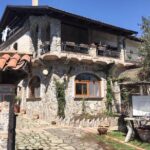
Cooking in Positano feels like being invited in. This class happens in a local home, where Emily and Genny (with their mum) teach you fresh pasta the family way, in English, with Montepertuso views on the way.
What I like most is the family welcome. You arrive as a visitor, then the whole evening starts to feel normal, like you’ve been there before.
The second big win is the garden-to-plate rhythm. You’ll start with an aperitif of local bites and prosecco, then taste and cook with ingredients grown on their property, finishing with tiramisu and plenty of wine (plus homemade limoncello).
One thing to consider: this is a hillside home setup, and the experience depends on good weather, so it’s not the pick for rainy-day plans or people who hate getting up and moving around.
In This Review
- Key Points You’ll Care About
- Montepertuso First: Why the View Matters
- The Aperitif Table: Prosecco, Cheese, Olives, and Good Start Energy
- Ravioli Class: The Family Lesson Behind Perfect Filling
- Tagliatelle by Hand: Fresh Ingredients You Can Taste
- Tiramisu: Dessert That Actually Teaches Something
- Drinks, Limoncello, and the Pace That Makes It Feel Like Dinner
- Price and Value: What $181.41 Really Buys
- Getting There: Hills, Time, and How You’ll Manage Logistics
- Who This Positively Fits (and Who Might Skip)
- Should You Book This Positano Pasta Class?
- FAQ
- What do you cook during the class in Positano?
- Is the class taught in English?
- How long is the cooking class?
- Where does it start?
- How large is the group?
- What if the weather is bad?
Key Points You’ll Care About

- A home kitchen, not a classroom: intimate groups (up to 14) and a relaxed pace
- You make three real dishes: ravioli, tagliatelle, and tiramisu
- Garden ingredients are part of the lesson: you pick and use what’s growing
- You control the ravioli filling vibe: options can include ricotta, vegetables, or meat
- Aperitifs and drinks are built into the experience: prosecco, wine, and limoncello
- Scenic stops included: Montepertuso and views toward Li Galli
Montepertuso First: Why the View Matters
Most Positano activities stay on the sea-level strip. This one pulls you upward, toward Montepertuso, where the setting changes fast. The shift is part of the experience: cooler air, bigger views, and that real-cooking-at-home feeling.
You start at Piazza Cappella in Positano, which is also convenient if you’re using public transport. From there, you head toward the family property, and the evening keeps a scenic thread through the early part of the plan, including Li Galli viewpoints.
If you’re picturing this as a quick pasta workshop, adjust that mindset. This is an evening meal experience with lessons folded inside it.
Other cooking classes in Positano

The Aperitif Table: Prosecco, Cheese, Olives, and Good Start Energy
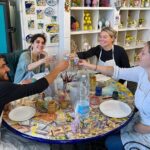
Before anyone rolls dough, you get fed. You’ll get a welcome aperitif built from local favorites: salami, tarallucci, local cheese, and olives, with a good glass of prosecco. Then the next round comes in as the meal builds.
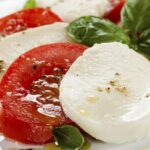
After that initial sip-and-snack, you move into the first starter phase: caprese salad using fresh mozzarella and tomatoes, plus rocket and grilled vegetables that you’ll be using from their garden. It’s a smart sequence. You’re not learning pasta theory while hungry. You’re learning while your palate wakes up.
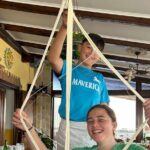
This is also where the family vibe kicks in. Conversations start naturally, and the hosts treat the table like part of the classroom. Expect laughs, stories, and plenty of patience while you figure out what rolling dough feels like.
Ravioli Class: The Family Lesson Behind Perfect Filling
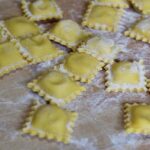
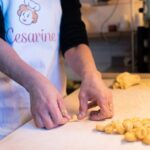
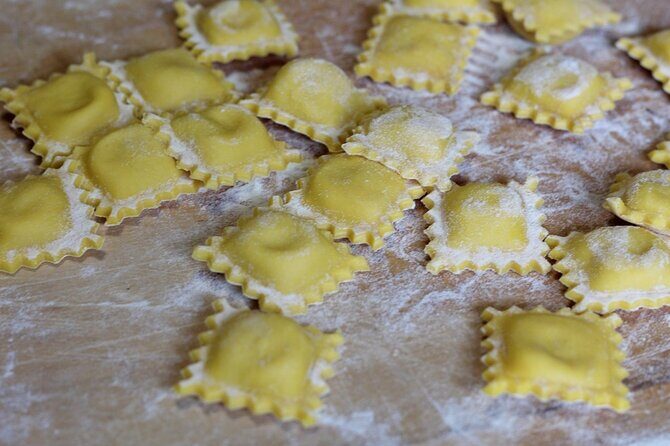
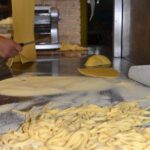
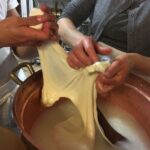
Ravioli sounds simple until you’re actually sealing the edges. This class makes it fun by treating ravioli as a group activity. The dough is rolled out and worked together, and you learn the “why” behind the technique, not just the “what.”
You’ll make fresh ravioli pasta and fill it together. The nice detail here is that you can typically choose the filling direction—ricotta, vegetables, or meat—so it doesn’t turn into a one-size-fits-all meal. That choice matters if you have dietary preferences within reason, or if someone in your group likes something different.
What you’ll take home is the method: how the dough should feel, how much filling to use, and how to seal without making a sticky mess. It’s hands-on, but not stressful. The hosts are used to people coming in with no pasta experience, and they guide you through the small adjustments.
Also, the ravioli is the heart of the lesson. If you want one skill you can replicate later at home, this is it.
Tagliatelle by Hand: Fresh Ingredients You Can Taste
After ravioli, you switch gears to handmade tagliatelle. This is where you start to see the logic of Italian home cooking. It’s not only about shape. It’s about timing, texture, and using fresh ingredients so the pasta tastes alive.
You’ll make two different kinds of pasta, and tagliatelle is the second core takeaway. You’ll work with fresh ingredients that come from the garden area, then combine them into a meal that feels grounded and honest.
If you care about flavor, this part helps you connect the dots. The sauce and toppings aren’t hiding behind shortcuts. The pasta holds its own, and the ingredients do real work.
And yes, you’ll likely end up with dough on your hands. That’s normal. If you expect clean clothes, don’t wear your “nice dinner” outfit.
Tiramisu: Dessert That Actually Teaches Something
You won’t miss dessert. After pasta, you’ll make tiramisu, using an old recipe connected to their grandmother. The point isn’t just to end the meal with sugar. It’s to learn a dessert rhythm: layering, balance, and how you want the texture to set.
Tiramisu is one of those dishes people assume they know. In practice, it varies a lot. This version is designed to taste like a real family dessert, not a restaurant shortcut.
If you’re worried you won’t like tiramisu, relax. You’ll see how the flavors come together in a way that feels lighter and fresher than the packaged version most people know.
Other pasta-making classes in Positano

Drinks, Limoncello, and the Pace That Makes It Feel Like Dinner
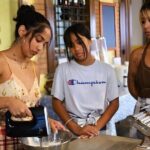
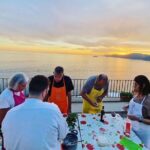
This is not a tight, clock-punching class. The pace is built for learning while eating. Along the way, there’s wine and prosecco, and you’ll get to try homemade limoncello. In other words: you’re not just tasting your way through steps—you’re in the middle of the family meal experience.
That rhythm helps your brain absorb what you’re doing. You’ll remember the ravioli sealing technique because you did it while someone was laughing beside you. You’ll remember tagliatelle timing because you’re sitting down to eat what you made shortly after.
Also, the hosts often share photos and videos afterward, sent via WhatsApp. It’s a small touch, but it’s handy when you want to recreate your steps or just keep a record of how the evening went.
Price and Value: What $181.41 Really Buys
At $181.41 per person for about 3 hours, this isn’t the cheapest pasta class in Italy. But it’s also not a quick tasting menu.
Here’s what you get that justifies the cost:
- Three dishes made by you: ravioli, tagliatelle, tiramisu
- Real starters: caprese and grilled vegetables, plus local snacks at the aperitif
- Garden involvement: you taste and cook with ingredients from their property
- Drinks included: prosecco, wine, and limoncello
- Recipes provided: you leave with a PDF recipe sheet, and some guests even report getting extra recipe material
You’re also paying for the intimacy. The group stays small (up to 14), so it’s easier to get help with the dough and feel like more than “one more person in a class.”
If you’re deciding between a restaurant cooking session and this home-based one, think about what you want your evening to feel like. This one aims for family-table warmth and actual technique.
Getting There: Hills, Time, and How You’ll Manage Logistics
The meeting point is Piazza Cappella, and the area is near public transportation. That helps if you’re staying in central Positano.
The house is up the hill area, so you should expect a bit of movement and possibly a taxi ride depending on how you’re coming from your hotel. The good news: the hosts are known for helping coordinate rides so you’re not stuck figuring it out with a sore shoulder and a backpack full of dough tools you don’t actually have.
One more practical note: good weather is required. Since this is a home setting and the meal flow may use outdoor or open-air spaces, a rainy forecast can change plans. If the weather fails, you’ll be offered a different date or a full refund.
Who This Positively Fits (and Who Might Skip)
This class is ideal if you want:
- a hands-on pasta lesson in a real home
- an experience with stories and family tradition, not only recipes
- a meal that includes drinks and a relaxed schedule
- a smaller group where you get attention and time
It’s also said to be suitable for children, so families who want a cultural food experience may find it workable. Still, since you’ll be cooking and eating together for about three hours, bring snacks for kids if they’re the type who need frequent breaks.
If you hate hills, are very mobility limited, or only want a quick activity with zero chance of weather changes, you might prefer a more flexible indoor option.
Should You Book This Positano Pasta Class?
If your goal is to leave Positano with more than photos, this is a strong choice. The big reason is simple: you cook the meal. You’re not watching someone else do the work while you eat.
Book it if you love the idea of learning pasta shapes and fillings in a setting where it’s treated like a family tradition—plus you get starters, wine and prosecco, homemade limoncello, and tiramisu at the end. The recipe PDF is the cherry on top.
Skip it if you want a guaranteed indoor plan no matter what the weather does, or if the price feels high compared to a standard restaurant class. For everyone else, it’s one of the most memorable ways to experience Positano beyond the beach.
FAQ
What do you cook during the class in Positano?
You’ll make ravioli and tagliatelle, and you’ll also prepare tiramisu for dessert. Starters include a welcome aperitif plus a caprese-style salad and grilled vegetables.
Is the class taught in English?
Yes. The experience is offered in English.
How long is the cooking class?
It lasts about 3 hours.
Where does it start?
The class starts at Piazza Cappella, 84017 Positano SA, Italy, and it ends back at the same meeting point.
How large is the group?
The group size is capped at a maximum of 14 travelers.
What if the weather is bad?
The experience requires good weather. If it’s canceled due to poor weather, you’ll be offered a different date or a full refund.