REVIEW · POSITANO
Cooking class with Pasta, mozzarella and Tiramisu with wine
Book on Viator →Bookable on Viator
Mozzarella begins the day on the Amalfi hills. You’ll learn three classic Italian dishes—mozzarella, pasta, and tiramisu—then sit down to taste what you made with wine from the farm. It’s a cooking class that feels more like a real Italian meal than a checklist.
I like the hands-on format: you’re not just watching. I also like that the food comes with context, from technique to how the flavors should taste as you go—plus the tasting includes farm wine for those 18+.
One consideration: the distance. This isn’t in Positano itself. Plan for a longer, sometimes fiddly ride up and back, and build in buffer time.
- Hands-on mozzarella made with an artisanal, technique-first approach
- Fresh pasta from scratch, including shaping and cooking tips that help you actually repeat it later
- Classic tiramisu built in layers, not just assembled at the end
- Farm setting + tasting where your dishes are served alongside wine from the property
- Max group size of 40, so it stays structured, even if you’re a first-timer
In This Review
- Amalfi Cooking Class in the Hills: What This Really Feels Like
- Getting There From Positano (and Why Time Matters)
- Meeting the Team and Settling Into the Rhythm
- Mozzarella Step-By-Step: The Technique You Can Actually Remember
- Fresh Pasta From Scratch: Pasta Dough, Shaping, and Real Timing
- Tiramisu Layers: Turning Grandma-Style Into Your Own
- The Farm Tasting and Wine Pairing: Eating What You Made
- What the Price Really Buys You at $72.56
- Group Size and the Hands-On Balance
- Best Fit: Who Will Love This and Who Might Not
- A Quick, Practical Checklist Before You Go
- Should You Book This Amalfi Cooking Class?
- FAQ
- Where is the cooking class meeting point?
- What dishes will I learn to make?
- How long is the experience?
- Will the class be in English?
- Is wine included, and who can drink it?
- Is there a group size limit?
- Can I cancel and get a refund?
Amalfi Cooking Class in the Hills: What This Really Feels Like
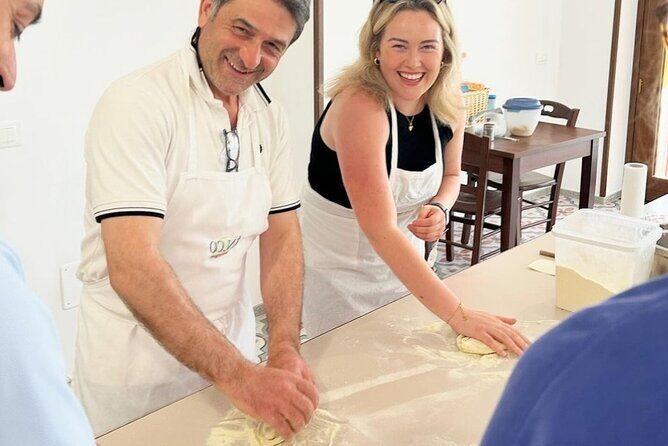
This is the kind of Amalfi Coast activity that works because it’s practical. You learn the how, not just the what. And you leave with food you can point to: I made that mozzarella. I rolled that pasta. I built that tiramisu layer by layer.
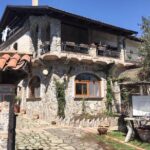
The setting matters. You’re not stuck in a fluorescent studio. The class happens at a farm in the hills, which gives you the right mood: hands go floury, conversations get easier, and the meal afterward feels earned. One of the biggest perks for many people is that it’s a true group activity—cooking side-by-side with other English-speaking guests.
Two things to keep in mind. First, the day is about skills you can use again, but not every session will feel equally heavy on instruction. Second, the logistics can affect your mood, because this is a real ride out to the countryside.
Getting There From Positano (and Why Time Matters)
The meeting point is Via degli Ontanelli, 13, 80051 Pianillo NA, Italy, and you return to the same place at the end. That’s a helpful loop for navigation, but it also means you should plan transport early.
Positano is on the coast; the farm is up in the hills. Expect travel time that’s longer than you first think, especially if you’re relying on buses. Some people end up waiting for connections because public transportation doesn’t always run with the frequency you’d hope.
Here’s how to make it painless:
- Start early enough that a missed or delayed bus doesn’t break the whole day.
- If you’re coming from farther down the coast, consider using a route that gets you there with slack time.
- If you’re prone to stress when schedules get tight, treat this as a half-day outing, not a quick afternoon side trip.
Also note: the tour is near public transportation, and you’ll have a mobile ticket. That helps. Still, this one is all about planning the ride, because the cooking itself is the easy part.
Other cooking classes in Positano

Meeting the Team and Settling Into the Rhythm
Once you arrive, you get placed into the flow of the class: kitchen workstations, ingredients, and a guide who keeps things moving. The experience is offered in English, which is a big deal for a hands-on class—there’s enough going on that you don’t want to decipher instructions too late.
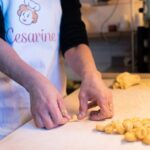
A cooking class can go one of two ways: either it’s a demo you watch, or it’s a working kitchen where you touch the ingredients. The best moments here come when you’re actively involved—kneading, stretching, forming, assembling, and then tasting your own results.
You’ll be working on three major dishes:
1) fresh mozzarella
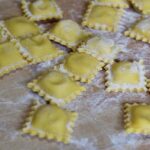
2) pasta (tagliatelle-style noodles/handmade noodles, plus the homemade-ravioli framing)
3) tiramisu
That structure is good for first-timers because you’re not overwhelmed. You learn one skill at a time, then you move on.
Mozzarella Step-By-Step: The Technique You Can Actually Remember
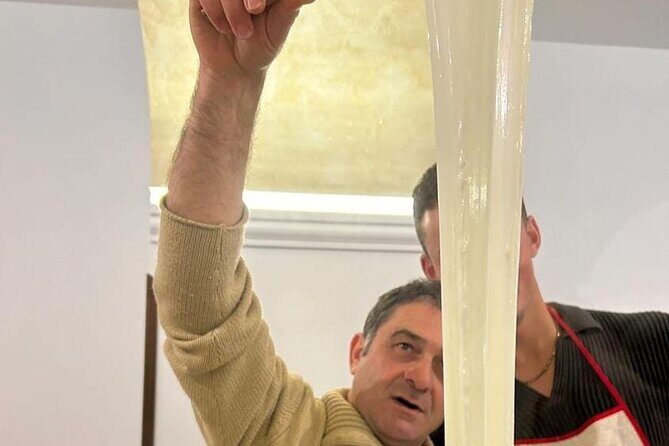
You start with mozzarella, and the class frames it as artisanal technique. That’s the right way to teach it, because mozzarella isn’t just a cheese you assemble. It’s a process where timing and texture are everything.
What you’ll do:
- Learn the production method for fresh mozzarella
- Focus on consistency—getting it to the right texture before it’s served
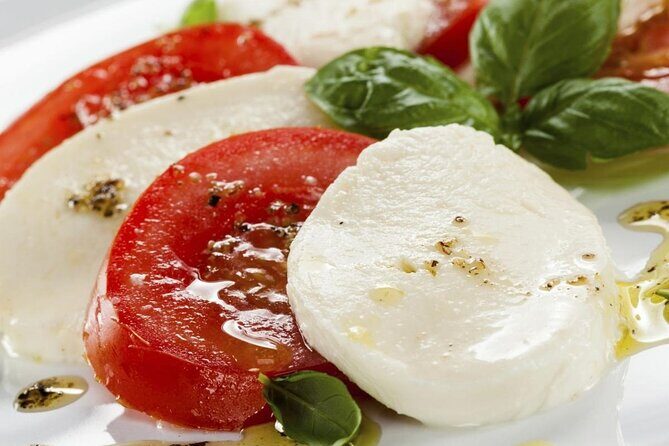
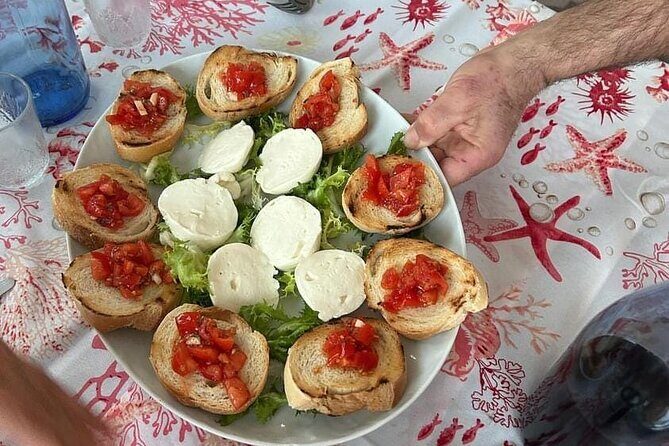
The tasting starter is mozzarella with tomatoes and basil, plus vegetables from the garden. That’s a smart pairing. When you’re still fresh from the hands-on cheese work, you can immediately connect technique to taste: you see how the mozzarella behaves with acidity from tomatoes and the lift from basil.
Practical tip for your brain: pay attention to texture while you’re working, not just the look. Cheese work is one of those skills where your hands learn what your eyes can’t fully explain.
Fresh Pasta From Scratch: Pasta Dough, Shaping, and Real Timing
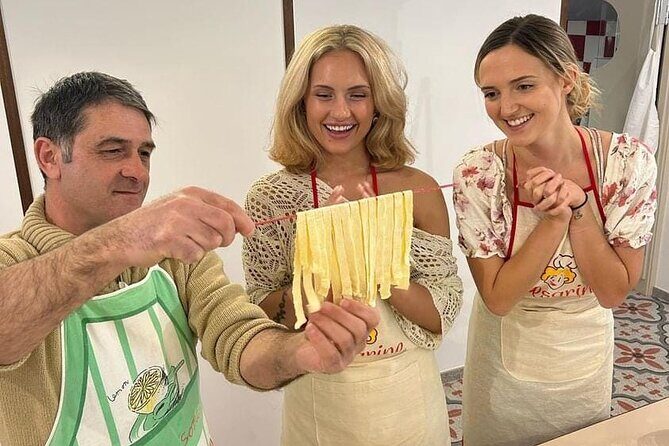
Next comes pasta. The class teaches you to create fresh pasta with local ingredients, with specific instruction on pasta techniques. Depending on the session, the framing includes tagliatelle and the wider idea of homemade ravioli, and the menu also references handmade noodles with an organic vegetable sauce.
Either way, the important part for you is this: you’re making pasta dough, working it, shaping it, and learning what matters as you go. Pasta seems simple until you’re kneading and rolling it yourself—then you realize it’s all about feel and timing.
During the pasta portion, you’re also likely to get cooking guidance that helps your noodles turn out right, rather than just tasting like raw flour and hope. The class keeps the pacing so you can finish your work and still sit down to eat.
And when you get to the plate, you’ll have a main made from what you prepared: handmade noodles seasoned with organic vegetable sauce. That’s the payoff. You spend effort in the dough stage, then you see it translate into a real dish.
If you love food but aren’t confident in cooking, this is the part where you usually walk away with the most useful confidence. Not gourmet-magic. Just the feeling that you can repeat it.
Tiramisu Layers: Turning Grandma-Style Into Your Own
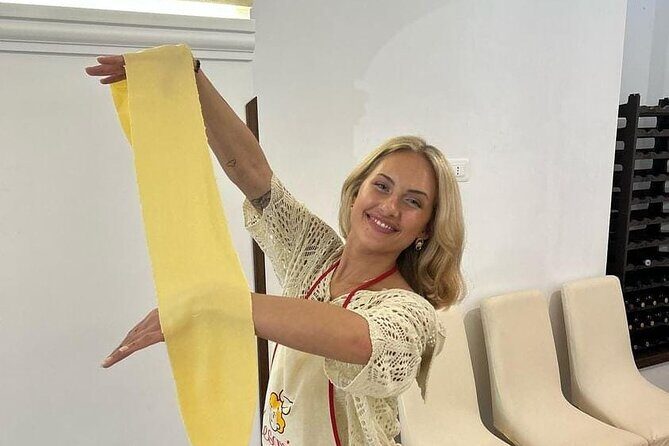
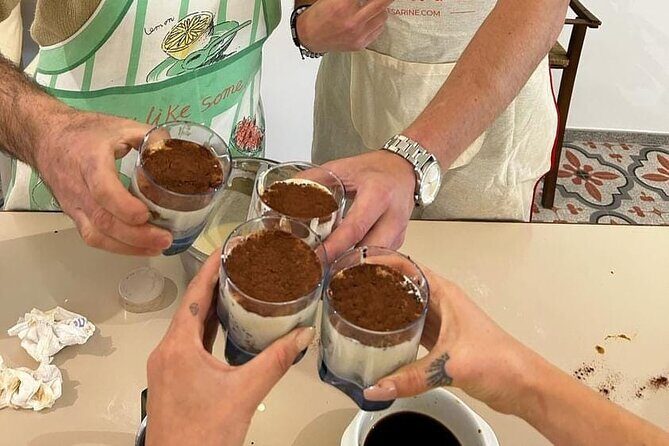
Then you shift gears to dessert: tiramisu. The class presents it as a classic Italian dessert built with creamy, tasty layers, and it’s served as traditional tiramisu prepared with grandma’s recipe.
The value here is that tiramisu is one of those dishes people think they can only order. In reality, it’s a layering game and a timing game. Once you see how it’s put together, it becomes approachable.
What you’ll learn:
- How to prepare the tiramisu using the guided method
- How the layers should look and taste as a finished dessert
The best part of a tiramisu class is that you often get a satisfying “done” moment. The dessert is visual, and when it’s complete, you can taste it without waiting for the next step.
It also helps the class feel balanced. Mozzarella and pasta are technique-heavy. Tiramisu is technique-heavy too, but it’s forgiving in a different way—more about assembling correctly than mastering dough feel.
Other pasta-making classes in Positano

The Farm Tasting and Wine Pairing: Eating What You Made
After the cooking, you relax and taste everything in a picturesque farm setting. Your meal is the dishes you prepared:
- mozzarella with tomatoes and basil (starter)
- handmade noodles with organic vegetable sauce (main)
- traditional tiramisu (dessert)
And you’ll have wine produced on the farm alongside the tasting. The alcohol part matters for two reasons. One, it makes the meal feel like an actual Italian dinner, not just a class with food samples. Two, it changes the pace—people tend to linger when the wine is part of the experience.
There’s also an important practical note: guests under the legal drinking age in Italy (18) won’t be served alcoholic beverages. That keeps things straightforward and family-friendly in the rules sense, even if the overall schedule still includes cooking and a meal.
My takeaway: the wine and tasting are what turn skills into a full experience. If the class only taught recipes, it would still be fun. But the tasting is what makes it feel complete.
What the Price Really Buys You at $72.56
At $72.56 per person for about 3 hours, you’re paying for a guided, hands-on food session plus a full meal outcome. For a cooking class on the Amalfi Coast, that price is reasonable when you compare it to the cost of a good dinner—especially since you’re also learning the skills.
What you get for the money:
- Ingredient time and technique coaching for three dishes
- A farm meal in the same place where you cooked
- Wine from the farm for 18+ guests
- English-speaking instruction
Where value can feel different:
- If you want heavy, step-by-step instruction with every minute explained, you might wish for more personal time at the stations.
- If you’re okay with a guided flow—jump in, learn by doing, taste the results—this usually feels like good value.
So think of it like this: you’re not buying a cookbook. You’re buying time in a working kitchen, plus the meal you made. If that’s your kind of travel day, the price makes sense.
Group Size and the Hands-On Balance
The class is capped at a maximum of 40 travelers. That’s a big cap, but it also signals the organizer can plan around a fixed limit rather than letting it balloon.
The real question for you isn’t the maximum. It’s how much time you personally get at each station. Some people love the hands-on nature. Others feel the instruction could be more teaching-focused and less “here’s the process, move along.”
My advice: go in with the right mindset. This is an experience where you learn through participation. If you want a very personalized, slow coaching session, you may need to temper expectations or choose a class that explicitly advertises smaller groups.
Best Fit: Who Will Love This and Who Might Not
You’ll probably love this class if:
- you want to cook three classic Italian dishes in one morning/afternoon
- you’re comfortable being a beginner and learning by doing
- you want Amalfi hospitality in the form of a real farm meal, not just photos
You might consider another option if:
- you hate transport uncertainty and don’t want to plan around bus schedules
- you expect every participant to do every step alone, like a private class
It’s also a great fit for couples and friends who want to talk while making food. And for families, the rules around wine make it more workable than classes that serve alcohol to everyone no matter what.
A Quick, Practical Checklist Before You Go
This class is simple, but you’ll enjoy it more if you prepare:
- Wear clothes you don’t mind getting stained from sauce and ingredients
- Plan transport so you arrive with time to breathe, not rush
- Come ready to taste at the end—you’ll want an appetite after cooking
- If you’re 18+, expect wine from the farm with the meal
Also, the class ends back at the meeting point, so you’re not solving a last-mile puzzle at the end of the day. That helps.
Should You Book This Amalfi Cooking Class?
Book it if you want a hands-on Amalfi Coast food day with a farm setting, mozzarella and pasta you actually make, and a proper sit-down tasting with wine.
Pass or reconsider if your main goal is deep, slow instruction for every step and you don’t want to deal with the uphill distance from Positano. Transport can be the difference between a great afternoon and a stressful one.
If you’re the type who likes rolling up sleeves, learning by doing, and then eating what you made, this is an easy yes.
FAQ
Where is the cooking class meeting point?
It meets at Via degli Ontanelli, 13, 80051 Pianillo NA, Italy, and it ends back at the same meeting point.
What dishes will I learn to make?
You’ll learn to prepare fresh mozzarella, pasta (including tagliatelle/handmade noodles), and tiramisu.
How long is the experience?
The duration is about 3 hours.
Will the class be in English?
Yes, the experience is offered in English.
Is wine included, and who can drink it?
Wine produced on the farm is included with the tasting. Alcohol service follows Italy’s legal drinking age rules (18+).
Is there a group size limit?
Yes. The class has a maximum of 40 travelers.
Can I cancel and get a refund?
Free cancellation is available. You can cancel up to 24 hours in advance for a full refund.